You've said it before.
"This is the last one."
And you meant it. You genuinely, absolutely meant it.
But somehow — you're reading this right now, and smoking is still happening.
Maybe you smoked on the way to work this morning. Maybe you told yourself you'd cut down this week. Maybe you've already had your "last cigarette" seventeen times this month alone.
There's a specific kind of exhaustion that comes with this cycle. It's not the tiredness of a long day. It's the quiet weight of a person who keeps making promises to themselves and keeps breaking them.
What is wrong with me?
That question sits in the back of your mind. You don't say it out loud. But it's there.
Because it's not like you haven't tried. You've tried cutting down. You've tried quitting cold turkey. You've bought nicotine gum. You've told yourself to stay busy, drink more water, avoid friends who smoke, breathe deeply, think about your health.
Some of it works. For a few days. Maybe even a week or two.
And then something happens. A stressful moment at work. The end of a meal. The first cup of coffee in the morning. Sitting in traffic. A difficult phone call.
Before you've even decided anything, your hand is already reaching.
It happens so fast. Almost automatically. Like it's not even a choice.
And the worst part isn't the cigarette. The worst part is the conversation you have with yourself afterward. The disappointment. The resignation. The quiet thought of "What's the point? I always end up back here."
You've wondered if this is just who you are now. A smoker. Someone who tried to quit and couldn't.
You've watched people around you stop — seemingly without much struggle — and wondered what they understood that you don't.
Maybe you've even started hiding how much you smoke. Stepping outside at certain times. Brushing your teeth quickly. Keeping it to yourself.
There's a low-level shame that builds up over time. And no one talks about it because no one wants to admit that willpower — the thing everyone says you just need more of — hasn't been enough.
But here is what I want you to understand, and why I am writing this:
The problem was never your willpower. And the solution was never the thing you were told to try.
Drop everything you are doing now and listen to every word I'm about to say.
There's something that behavioural researchers have known for a long time — something that most quit-smoking advice quietly ignores.
Smoking is not just a chemical habit. It's a learned pattern of behaviour. And learned patterns don't disappear because you decide they should. They disappear when you understand them well enough to replace them with something else.
That understanding has existed in various forms for decades. But most people trying to quit never hear it explained clearly. They're handed a product. They're told to try harder. They're left to figure out the rest alone.
My name is David Balogun.
The first thing you should know about me is that I am not a doctor, a therapist, or a certified addiction counsellor. I'm not going to pretend otherwise.
I'm a person who smoked for years, tried to quit many times, failed at all of it — and eventually, through a combination of honest research and one unexpectedly powerful conversation, figured out what was actually going on.
What I found changed everything. And I want to share it with you clearly and honestly, the way I wish someone had shared it with me.
Let Me Tell You What Actually Happened
I started smoking seriously in my mid-twenties.
At the time, I didn't think of it as a serious habit. It was a few cigarettes after work. Social ones at weekends. The kind of smoking that feels casual and controlled — the kind where you tell yourself you could stop any time you wanted to.
Except I never actually stopped.
By the time I was in my early thirties, I was smoking every single day. Morning cigarette with coffee. Cigarette during the work break. One after lunch. A couple in the evening. The last one before bed.
I had built an entire day's structure around cigarettes without even noticing I had done it.
The emotional cost was quiet but consistent. My sleep wasn't good. My chest felt tight in the mornings. I'd step outside during family gatherings and come back smelling like smoke, and I could see the small, unspoken reactions on people's faces.
My closest friends said nothing — because they knew me well enough to know I already knew. And that quiet knowledge was sometimes worse than being told directly.
You're not stupid. You're aware of what you're doing. You just can't seem to stop.
That was the specific hell of it.
The breaking point didn't come with a dramatic event. It came on a perfectly ordinary Tuesday evening.
I had finished dinner, stepped outside — as I always did — and lit a cigarette. And something about that moment felt unbearably mechanical. I hadn't decided to go outside. I hadn't thought about it. My body had simply done what it always did after eating, and I had followed.
I stood there and thought: When did I stop being the one making this decision?
I came back inside and called my uncle — a man I'd always respected for his practical, unsentimental way of looking at things. I told him I was tired of the cycle. Tired of promising myself and failing. Tired of feeling like smoking was happening to me rather than something I was choosing.
He was quiet for a moment. Then he said something I've never forgotten:
"The problem isn't that you're weak, David. The problem is that you're fighting your habits with your mind while your body is on autopilot. You need to understand the autopilot before you can switch it off."
I didn't fully understand what he meant at the time. But it stayed with me.
Before I get to what eventually worked — let me be completely honest about what didn't.
Because I tried everything most people try. And for a long time, I believed the problem was that I just hadn't found the right solution yet.
Nicotine gum. I bought several packs. I chewed it every time I felt a craving. It helped — briefly. But the cravings always came back at the same moments, triggered by the same situations. I wasn't addressing the pattern, only the immediate discomfort.
Counting cigarettes and cutting down. I made strict rules. Only five a day. Then four. Then three. It worked for about a week. Then a stressful situation at work reset everything back to normal in a single afternoon.
Throwing away packs. I did this repeatedly. I'd throw away a mostly full pack in a surge of determination. I'd feel clear and resolute for about three hours. Then I'd be at a shop buying another pack before I'd consciously decided to go there.
Willpower alone. "Just don't smoke." I tried this. I white-knuckled through days. The cravings didn't diminish. They just accumulated until the pressure became unbearable and I gave in all at once.
Avoiding other smokers. I rearranged my social life. I stopped going to certain places. I avoided certain people. But the triggers weren't just about other smokers — they were baked into my own routines. Coffee still triggered a craving. Finishing a meal still triggered a craving. Being stuck in traffic still triggered a craving. The smokers weren't the problem. My own learned patterns were the problem.
Keeping myself constantly busy. The theory was that if I had no idle moments, I'd have no space to smoke. What actually happened was that I became anxious and irritable — and used stress itself as the reason to smoke when I finally had a break.
Quitting cold turkey. Twice. The first time I lasted eleven days. The second time I lasted eight. Both times I returned to smoking with the same automatic speed — as though the days I'd managed meant nothing at all.
With every failed attempt, a small part of me believed a little less that quitting was actually possible for me.
Maybe some people just can't quit. Maybe I'm one of them.
That's where I was when I first connected properly with Mr. Samuel.
He was 68 years old — a retired secondary school teacher my family had known for years. Not a doctor. Not a counsellor. Just a man who had spent decades watching people closely and thinking carefully about what he observed.
One evening, after I'd mentioned my frustration — not looking for advice, just venting — he asked me a question that stopped me completely.
"What happens right before every cigarette, David? Not during. Before."
I opened my mouth to answer and realised I didn't know. I had never consciously looked at that.
He nodded slowly, as though that was exactly the answer he'd expected.
"That's the thing," he said. "Everyone focuses on the cigarette. No one looks at what comes right before it. But that's where the whole pattern lives."
He explained it simply, without jargon. The brain is extraordinarily good at learning sequences. When you do the same thing in the same context enough times — coffee, then cigarette; drive, then cigarette; stress, then cigarette — the brain begins to treat the first thing as a signal for the second thing. Eventually, the signal itself creates a craving, entirely automatically, before conscious thought has had time to catch up.
"Willpower is for moments of decision," he told me. "But what you're describing isn't a moment of decision. You're already holding the cigarette before you've made any decision at all. That's not weakness. That's a very well-trained habit loop. And the only way to change a habit loop is to interrupt it from the inside — not resist it from the outside."
I sat with that for a long time.
It was simultaneously the most frustrating thing I'd ever heard — because it meant all my willpower-based approaches had been aimed at the wrong target — and the most hopeful, because it meant there was actually a specific mechanism to address.
Over the following weeks, I started paying close attention to my own patterns. I kept a small notebook. I began tracking exactly what happened before every craving. Not judging it. Just observing.
What I found surprised me.
Nearly every cigarette was preceded by one of about six recurring situations. Coffee. Finishing a meal. Getting into the car. A work break. Feeling stressed or overwhelmed. Preparing for bed. Those six situations were responsible for almost all of my smoking.
I wasn't addicted to nicotine in some vague, uncontrollable way. I had six very specific triggers, each linked to a learned automatic response. And unlike "willpower," those were something I could actually work with.
That realisation was the beginning of everything changing.
I started testing what Mr. Samuel had suggested — not by resisting the craving, but by interrupting the pattern that preceded it.
The first few days felt uncertain. The cravings didn't disappear immediately. But something was different: for the first time, I was catching the pattern before it completed. I was watching myself start to move toward a cigarette and pausing — not because I'd decided to resist, but because I'd finally learned to see the moment it began.
I'm not going to pretend the first week was smooth. There were difficult evenings. There were moments when I slipped.
But there was also something I'd never experienced in any previous attempt: a growing sense of understanding. Not just wanting to quit — but actually understanding the mechanism I was trying to change.
By the end of the second week, the automatic quality of my cravings had weakened noticeably. The triggers still appeared. But they no longer felt like instructions I had no choice but to follow.
By week three, I had built small, deliberate replacement routines for each of my six main triggers. Nothing dramatic. A different drink with my morning routine. A short walk after meals. A specific breathing habit in the car. Simple substitutions — but ones that were matched to the actual patterns that had been driving my smoking.
It wasn't magic. It was just understanding applied correctly, for the first time.
My friends noticed before I told them anything.
They stopped smelling cigarette smoke on my clothes. They stopped seeing me disappear after meals. One of them asked me, after about three weeks: "Have you stopped smoking?"
I said I was working on it, and they said: "No, I mean — you seem different. Calmer."
That's when I knew something had genuinely shifted — not just in my habits, but in the way I understood myself and what had been happening all those years.
Two other people from a group I'd shared the approach with later told me similar things. One had struggled with post-meal cravings for years and found that identifying that specific trigger — and replacing just that one routine — had made a remarkable difference. Another had been using willpower alone for months with constant relapses, and said that the idea of observing patterns rather than just resisting them was the first thing that had made the process feel manageable.
None of us were cured overnight. That's not what this is. But we all had something we hadn't had before: a framework that actually made sense of what quitting required.
Why I Decided to Write All of This Down
After I started sharing this approach — privately, with friends, and eventually in a few online discussions — I began receiving more messages than I could personally respond to.
People who had tried to quit multiple times. People who felt stuck in the same cycle I had described. People who said, "This is exactly what I've been experiencing, but nobody ever explained it this way."
I couldn't respond to each message individually. There was too much to explain properly in a conversation.
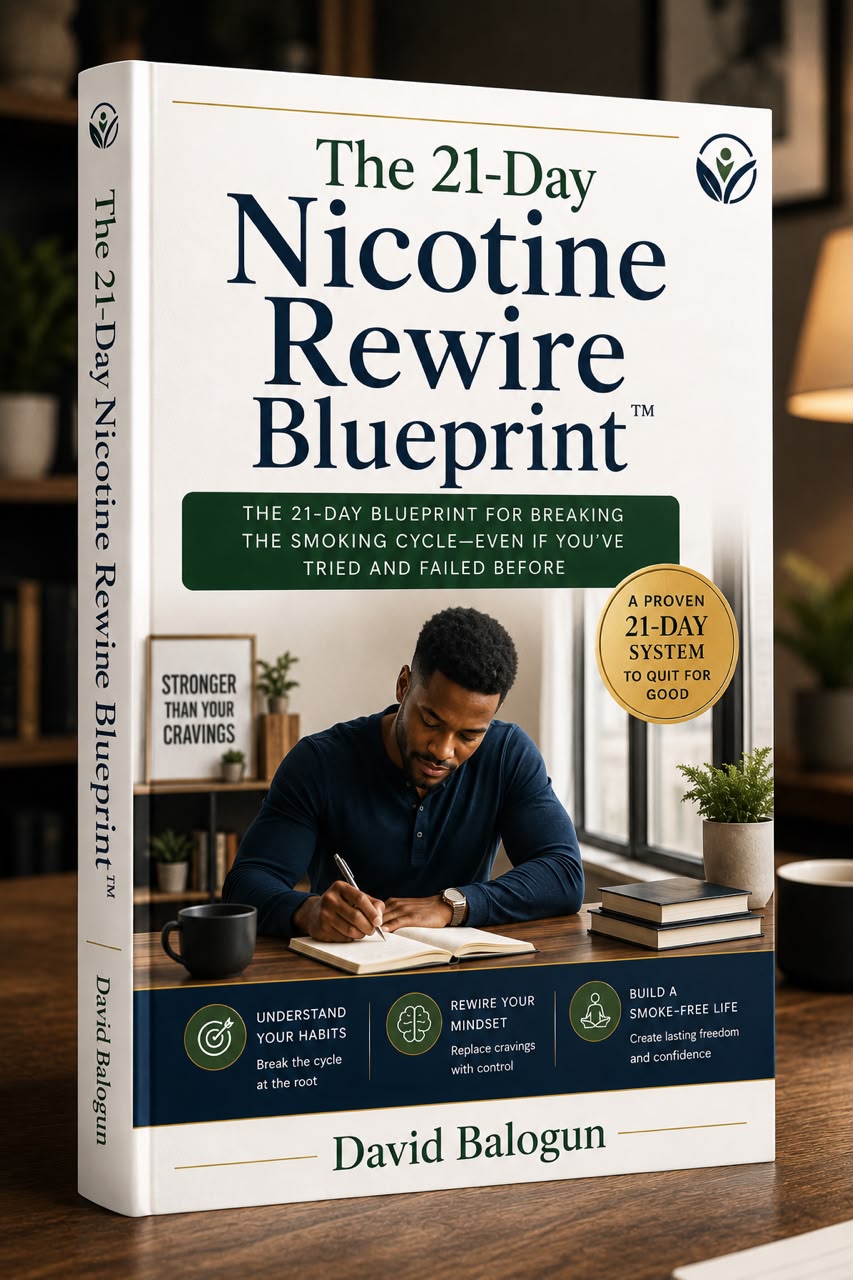
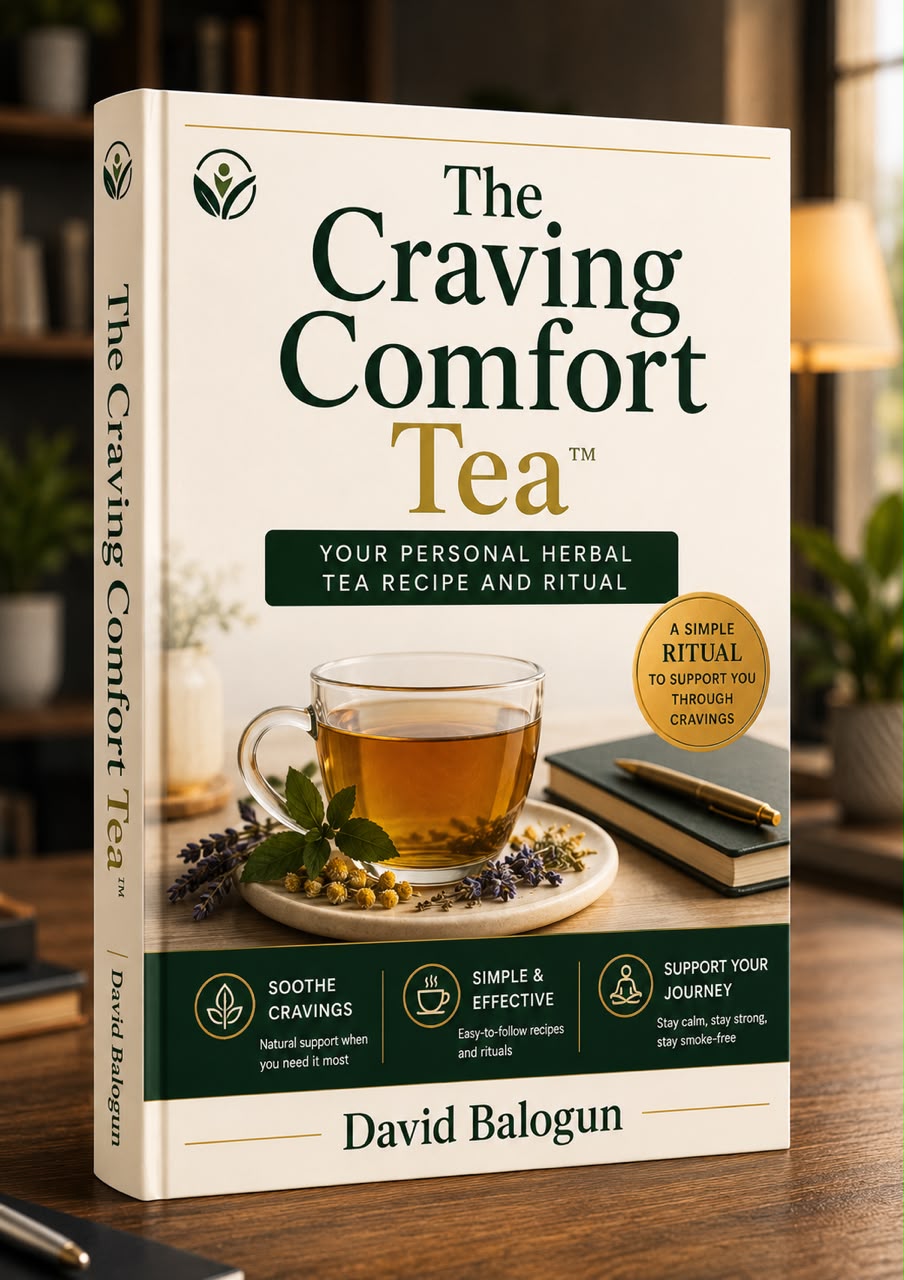
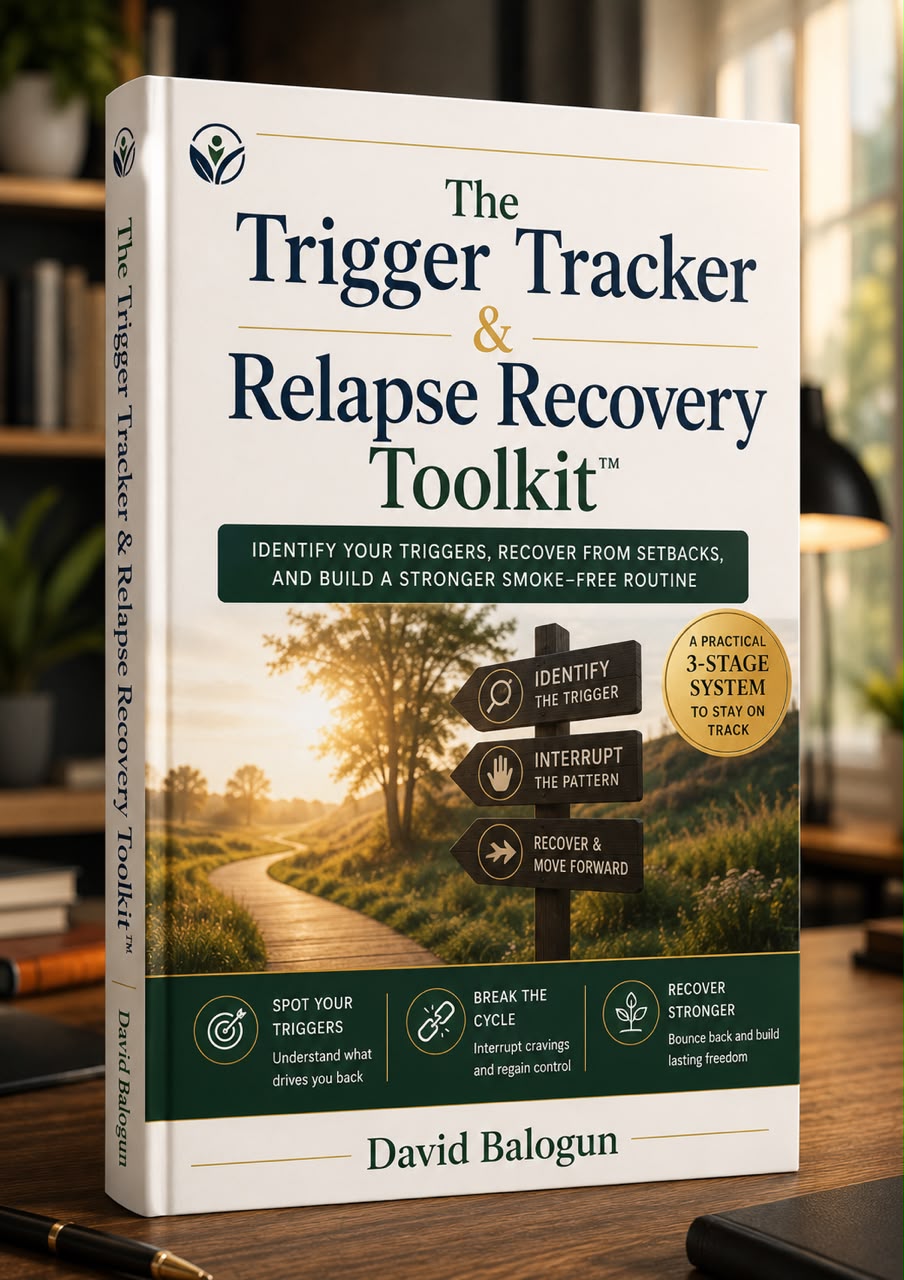
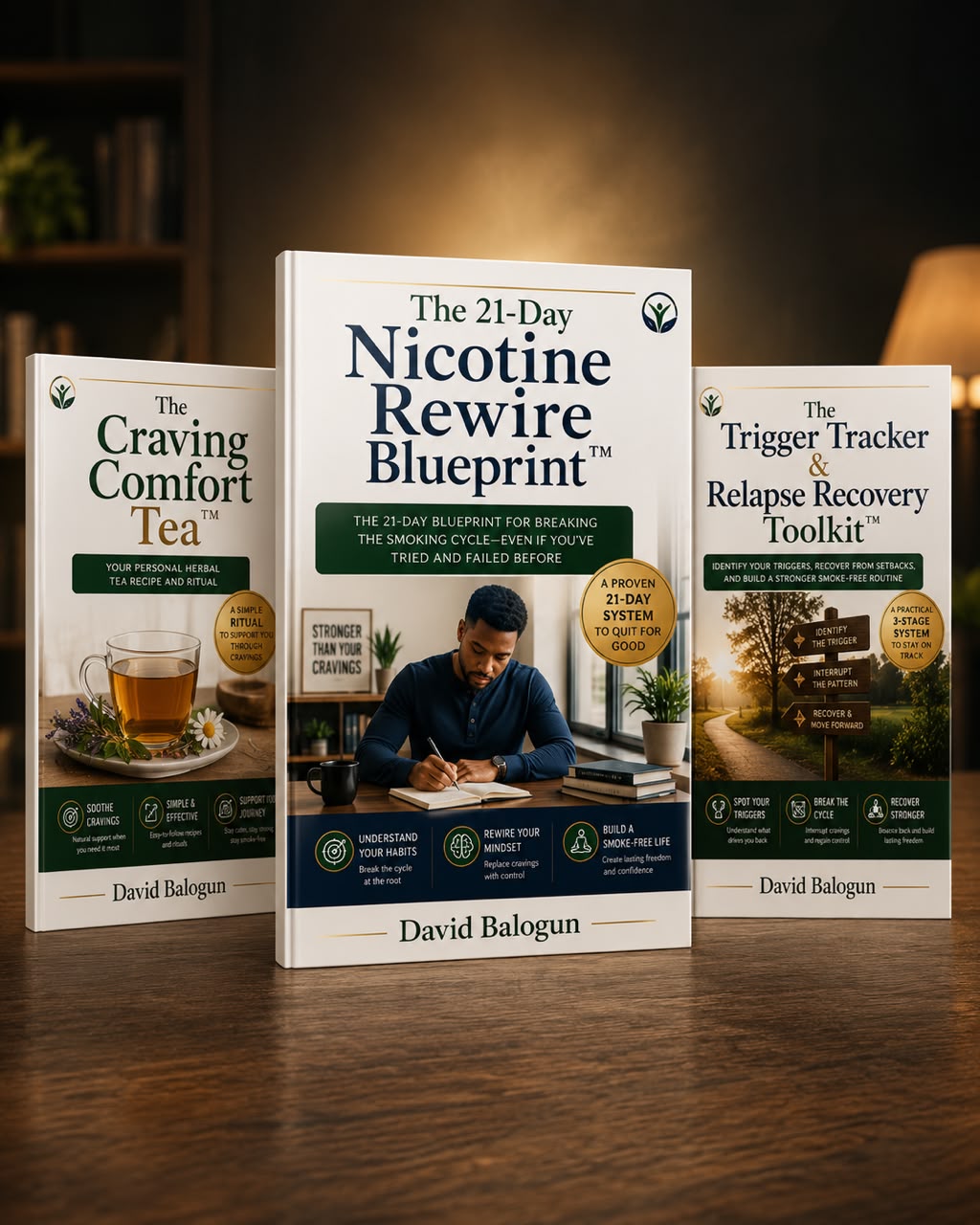
So I wrote it all down. The full framework. The research that shaped my understanding. The practical daily structure I used over 21 days. The tools that helped me identify and work with my own specific patterns. Everything — laid out clearly, step by step, in a format someone could actually use.
I put everything — the complete behavioural framework, the pattern identification process, the daily structure, the replacement routines, how to handle slip-ups without starting over — inside one straightforward guide.
Introducing...


Share Your Experience